

🔹 The Quick Pulse
Self-driving cars are crossing an emotional and societal threshold, not just a technical one.
Waymo’s safety data is meeting real-world scrutiny, Tesla is expanding public self-driving tests, and Aurora is steadily pushing self-driving into long-haul trucking.
The question is no longer whether autonomous vehicles work. It’s when society decides they work well enough.
🔹 The Big Three
1. Waymo publishes safety data as real-world incidents go public
Waymo released updated safety metrics while viral stories circulated, including several school bus incidents and a pregnant woman giving birth in a Waymo vehicle.
Why it matters:
Self-driving cars are now part of real life, not staged demos or videos. And in real life, trust isn’t built on numbers alone.
2. Tesla expands public self-driving tests in Austin
Tesla is increasing real-world testing of its self-driving system on public streets, relying on cameras rather than tightly controlled maps or routes.
Why it matters:
Tesla is betting that self-driving systems trained in everyday traffic will scale faster than those trained in tightly restricted environments. That approach carries higher risk.
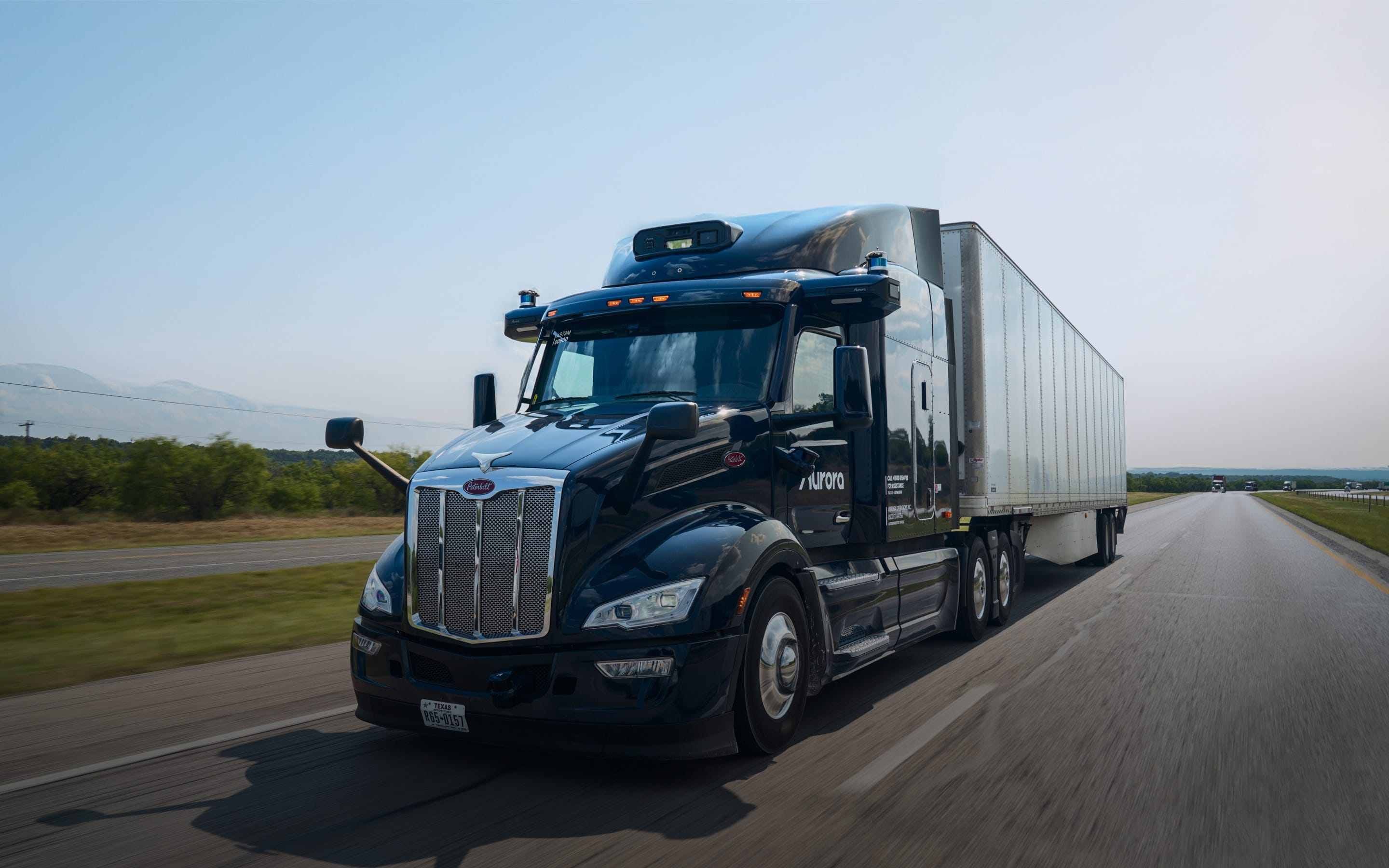
3. Aurora pushes autonomous trucking closer to real-world deployment
Aurora continues expanding driverless freight routes on long-haul highways, where roads are more predictable and the economics make sense first. California’s ban on self-driving trucks could soon be lifted, accelerating progress.
Why it matters:
Trucking may normalize self-driving technology before consumer cars do. When freight moves reliably without drivers, the psychological barrier begins to break.
🎯 Takeaway Insight
Autonomous vehicles won’t become standard because they’re perfect. They’ll become standard when they make fewer mistakes than humans, and when society decides those mistakes are more acceptable than human error.
🔭 Forward Signal
The real shift comes when a generation grows up assuming self-driving is normal. My son recently asked whether he’ll even be allowed to drive when he turns 16. That question is arriving sooner than most people expect.
🧩 Explained Simply
When do self-driving cars become the default?
Not when they never fail. When they’re statistically safer than humans and socially accepted despite rare failures. Humans make mistakes every day. We just forgive them because we’re used to them.
💬 Quoteworthy
“Self-driving cars won’t win by being perfect. They’ll win by being boring.”
— Phil
The Frontier Shift
About Me
I’m Phil Nowak, a Lead Principal Customer Success Manager at Salesforce, where I’ve spent 11 years working with multi-billion dollar global companies across nearly every industry.
I’m a graduate of MIT’s Artificial Intelligence Business Strategy program, Salesforce’s Accelerate Leadership Program, and I majored in Economics with a Business Minor at Indiana University Bloomington. Go Hoosiers!
I write The Frontier Shift to help people understand how technology, capital, and infrastructure are actually reshaping the world.
Feedback? Send me a message or connect with me below.
LinkedIn | X | Subscribe | 📍 Chicago
Views expressed are my own.